In a region where food systems have been disrupted by crisis, sustainable agriculture and economic empowerment are the twin pillars of recovery. As the Food Security and Livelihood (FSL) Manager with Chabash Development and Health Initiative (CDHI), you will be the visionary leader driving our efforts to eliminate hunger and rebuild the self-reliance of vulnerable families in Borno State. This role is for a strategic thinker and technical expert who understands that food security is not just about today’s meal, but about building the systems that ensure tomorrow’s harvest.
Job Summary
The Food Security and Livelihood (FSL) Manager provides high-level technical leadership and oversight for all FSL programs within CDHI. Reporting to the senior management team, you will design, implement, and monitor a diverse portfolio of interventions—ranging from nutrition-sensitive agriculture and livestock support to vocational training and micro-finance (VSLAs). You will be the primary technical representative for CDHI in sector clusters and working groups, ensuring that our programs align with international standards and meet the urgent needs of the communities we serve.
Key Responsibilities
Technical Leadership & Project Implementation
- Strategic Oversight: Lead the efficient planning and execution of FSL projects, ensuring they meet CDHI standards, donor regulations (such as NHF), and national humanitarian guidelines.
- Integrated Programming: Collaborate with Health, Nutrition, and MEAL sectors to create synergies that address the root causes of food insecurity and malnutrition.
- Procurement & Compliance: Work with Finance and Logistics to manage program budgets and procure specialized agricultural/FSL supplies with transparency and integrity.
- Innovation & Analysis: Guide the technical adoption of early-warning systems and preventative nutrition interventions through climate-smart and nutrition-sensitive agricultural practices.
Capacity Building & Staff Mentorship
- Team Development: Onboard and mentor local FSL staff, identifying training gaps and developing comprehensive manuals to improve field-level technical performance.
- Community Synergy: Support field teams in building strong, participatory relationships with community leaders and local groups to ensure project sustainability.
- Knowledge Management: Lead the documentation of success stories, best practices, and lessons learned for both internal learning and external advocacy.
Representation & Advocacy
- Sector Coordination: Act as the lead technical resource person for CDHI in FSL Sector Clusters and Technical Working Groups.
- Stakeholder Management: Maintain productive relationships with government agencies (SEMA/NEMA), UN bodies, and other humanitarian partners to ensure well-coordinated interventions.
Required Skills & Qualifications
- Academic Foundation: Bachelor’s degree in Agriculture, Food Security, Rural Development, Entrepreneurship, or a related International Development discipline.
- Professional Experience: 5+ years of progressive experience in designing, implementing, and reporting on FSL programs in humanitarian or development contexts.
- Technical Breadth: Demonstrated expertise in at least three of the following: Food Assistance, Nutrition-sensitive Agriculture, Livestock Management, VSLAs/Micro-finance, or Vocational Skills Training.
- Donorship Knowledge: Familiarity with the programming processes of major donors, particularly the Nigeria Humanitarian Fund (NHF).
- Analytical Skills: Proven ability to lead multi-sectoral assessments, analyze complex data, and write high-quality technical reports and publications.
- Field Readiness: Willingness and ability to travel to remote field sites and operate effectively under high-pressure, stressful environments.
- Ethics: Unwavering commitment to PSEA standards and humanitarian principles.
Why This Role is Important
Borno State is at a critical juncture where the transition from emergency aid to long-term resilience is essential. As the FSL Manager, you are the architect of that transition. Your work ensures that displaced families don’t just receive aid, but acquire the tools and knowledge to feed themselves. By integrating disaster risk reduction with income-generating activities, you are protecting the future of Northeast Nigeria’s rural economy.
Benefits of Joining CDHI
- Leadership Impact: Influence the direction of food security policy at both the organizational and sector levels.
- Collaborative Environment: Work closely with Global FSL Advisors and a multidisciplinary local team.
- Community Transformation: Directly witness the impact of your strategies as communities regain their agricultural and economic independence.
Salary & Expectations
- Type: Full-Time
- Compensation: Competitive, based on experience and progressive NGO scales in Maiduguri.
About the Organization
Chabash Development and Health Initiative (CDHI) is a dedicated non-governmental organization registered in Nigeria. We work in close partnership with SEMA, NEMA, and the Borno State Humanitarian Response Committee to deliver life-saving interventions. CDHI is committed to a culture of compliance, ethics, and integrity. We maintain a zero-tolerance policy for sexual exploitation, abuse, and fraud.
Application Details
- Location: Maiduguri, Borno State
- Application Deadline: January 12th, 2026
How to Apply: Qualified candidates should submit their application through our official Google Form portal:
Apply via the CDHI Recruitment Portal
Note: CDHI is an equal opportunity employer. Women are strongly encouraged to apply. No fee is ever required to secure a position with CDHI; any such request should be reported immediately.
Tips for Applicants
- Showcase Technical Diversity: In your application, provide specific examples of how you have managed diverse FSL components (e.g., combining livestock support with micro-finance).
- Highlight NHF Experience: If you have successfully managed NHF-funded projects, make sure to detail your experience with their reporting and compliance standards.
- Focus on Inclusion: Be prepared to discuss how you have successfully mainstreamed gender and community participation in your previous FSL projects.
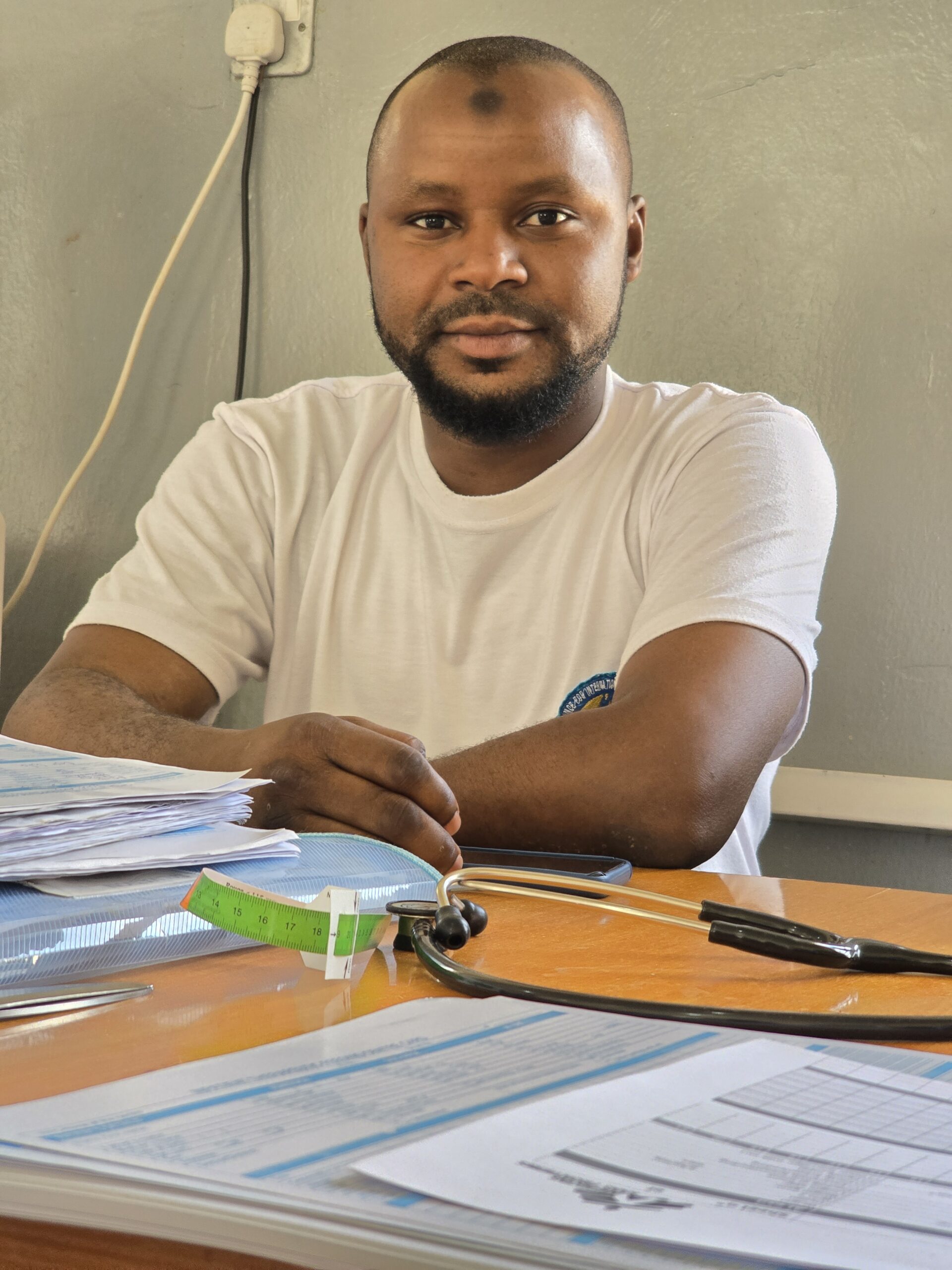
Sama’ila Muhuddin is a dedicated Registered Nurse and humanitarian professional with over seven years of frontline experience. Since May 2018, he has served with prominent international non-governmental organizations, including Médecins Sans Frontières (MSF) Holland, Spain, France projects and ALIMA, responding to emergencies and providing critical care in some of the most challenging humanitarian settings.
🔍 Recommended NGO Jobs
-
Volunteer – Monitoring & Evaluation (M&E) at Nigerian Public Health Network in 5 Locations
Posted on January 30, 2026
-
Volunteer – Fundraising & Partnerships at Nigerian Public Health Network in 5 Locations
Posted on January 30, 2026
-
Volunteers – Technical & Administrative Support at Nigerian Public Health Network in 5 Locations
Posted on January 30, 2026
-
Apply For a Driver and Admin Assistant at MSI Nigeria Reproductive Choices
Posted on January 30, 2026
-
Opportunity For State Case Management / MIP Officer – REACH Malaria at PATH Nigeria in Ebonyi
Posted on January 30, 2026