You found the perfect vacancy on MYNGOJOBS. You have the degree, you have the passion, and you know you can do the job. You apply with high hopes, but weeks later—silence. Or worse, the dreaded “We regret to inform you” email.
If this sounds familiar, you are not alone.
The humanitarian sector in Nigeria is one of the most competitive job markets in Africa. For every single vacancy at organizations like UNICEF, Save the Children, or local NGOs, recruiters receive hundreds—sometimes thousands—of applications.
The harsh truth? Most qualified candidates get rejected not because they lack skills, but because their applications fail to communicate their value.
In this guide, we will break down exactly why most NGO job applications fail and give you a step-by-step strategy to fix yours, so you can move from “rejected” to “shortlisted.”
1. The “Copy-Paste” Syndrome (Generic Applications)
The Problem: Recruiters can spot a generic application in three seconds. If you are sending the exact same CV and cover letter to an M&E role in Borno and a Program Officer role in Lagos, you are setting yourself up for failure. A “one-size-fits-all” approach signals to employers that you haven’t read the job description carefully or that you aren’t genuinely interested in their specific mission.
The Fix:
- Tailor Every Single Application: Yes, it takes time, but quality beats quantity.
- Mirror the Language: If the job description asks for “stakeholder management,” do not write “good at talking to people.” Use the exact phrase “stakeholder management” in your CV profile and cover letter.
- Research the Mission: Mention the organization’s specific current projects in your cover letter. For example, “I admire your recent work on the WASH project in Adamawa State…”
2. Ignoring the Applicant Tracking System (ATS)
The Problem: Before a human ever sees your CV, a robot likely reads it first. Most large International NGOs (INGOs) and UN agencies use Applicant Tracking Systems (ATS) to filter candidates. If your CV is formatted creatively with columns, graphics, photos, or tables, the ATS cannot read it. It simply ranks you as a “0% match” and discards your application.
The Fix:
- Keep it Simple: Use a clean, single-column layout.
- Standard Fonts: Stick to professional fonts like Arial, Calibri, or Times New Roman.
- Keyword Optimization: The ATS searches for specific keywords. If the job requires “Grant Writing” and “Budget Management,” ensure those exact words appear in your “Skills” or “Work Experience” sections.
- File Format: Always submit your CV as a Word document (.docx) or a text-based PDF unless told otherwise.
3. Failing to Demonstrate “Impact”
The Problem: Many CVs reads like a job description. They list duties: “Responsible for writing reports,” or “Assisted with food distribution.” This tells the recruiter what you did, but not how well you did it. It fails to show your value.
The Fix: Switch from Duties to Achievements. Use numbers to quantify your success.
- Weak: “Distributed food items.”
- Strong: “Coordinated the distribution of food relief items to 500 households in IDP camps, ensuring 100% compliance with donor safety standards.”
- Weak: “Wrote reports.”
- Strong: “Authored 5 monthly donor reports that contributed to securing a $50,000 grant renewal.”
4. Lack of Essential “Soft Skills”
The Problem: Humanitarian work is about people. You can be an Excel wizard, but if you cannot work in a team, navigate cultural sensitivities, or handle stress, you are a liability. Many applicants focus 100% on technical skills and forget to mention the behavioral competencies that NGOs prize.
The Fix: Highlight these core humanitarian competencies in your cover letter:
- Cultural Sensitivity: Experience working with diverse ethnic or religious groups.
- Adaptability: Ability to work in low-resource or security-challenged environments.
- Teamwork: Examples of conflict resolution or collaboration.
5. Ignoring Specific Application Instructions
The Problem: “Please embrace the subject line format: JOB TITLE – NAME.” “Submit CV and Cover Letter as a single PDF.”
If you ignore these simple instructions, your application is deleted immediately. Why? Because attention to detail is critical in NGO work. If you cannot follow instructions for an email, how can you be trusted with a million-naira budget or beneficiary safety?
The Fix:
- Read the Advert Three Times: Before you hit send, check the requirements again.
- Check Your Attachments: Ensure you have attached the right files and they are named professionally (e.g.,
Emeka_Okonkwo_CV.pdf, notMy_Resume_Final_Version_2.pdf).
Career Implications for NGO Job Seekers
The job market is shifting towards competency-based recruitment. Employers are less impressed by just a degree title and more interested in proven ability.
If you keep getting rejected, it is likely a skills gap or a presentation gap.
- Presentation Gap: You have the skills but aren’t showing them (Fixable with a CV rewrite).
- Skills Gap: You lack a specific technical skill requested in the advert (Fixable with training).
Frequently Asked Questions (FAQs)
Q: Is it okay to use AI to write my cover letter? A: You can use AI for ideas, but never copy-paste directly. AI often uses generic phrases like “I am a hard worker.” Recruiters want to hear your authentic voice and specific local experiences.
Q: How do I get experience if every job asks for experience? A: Start with volunteering. A 6-month volunteer role at a local CBO (Community Based Organization) counts as valid work experience. Also, consider project-based internships.
Q: Why do I never get feedback on my application? A: Due to the volume of applicants, most NGOs only contact shortlisted candidates. Do not take it personally. Instead, review your application strategy using the tips above.
Conclusion: Turn Your Rejection into an Offer
Rejection is painful, but it is also data. If you aren’t getting interviews, something in your application package isn’t working.
Your Action Plan for This Week:
- Audit your CV: Does it pass the ATS test? Are you using numbers to show impact?
- Pick a Niche: Stop applying for everything. Focus on where your skills are strongest (e.g., Logistics, Finance, or Protection).
- Upgrade Your Skills: If you notice you are constantly missing a key requirement—like Data Analysis or Project Management—don’t just ignore it. Fix it.
Need to bridge a skills gap? Investing in yourself is the best way to signal commitment to employers. Check out the Training & Courses section on MYNGOJOBS to find professional humanitarian certification courses that can add that missing “star power” to your CV.
The perfect NGO job is out there. With a tailored, error-free, and impact-focused application, you will be the candidate they can’t ignore.
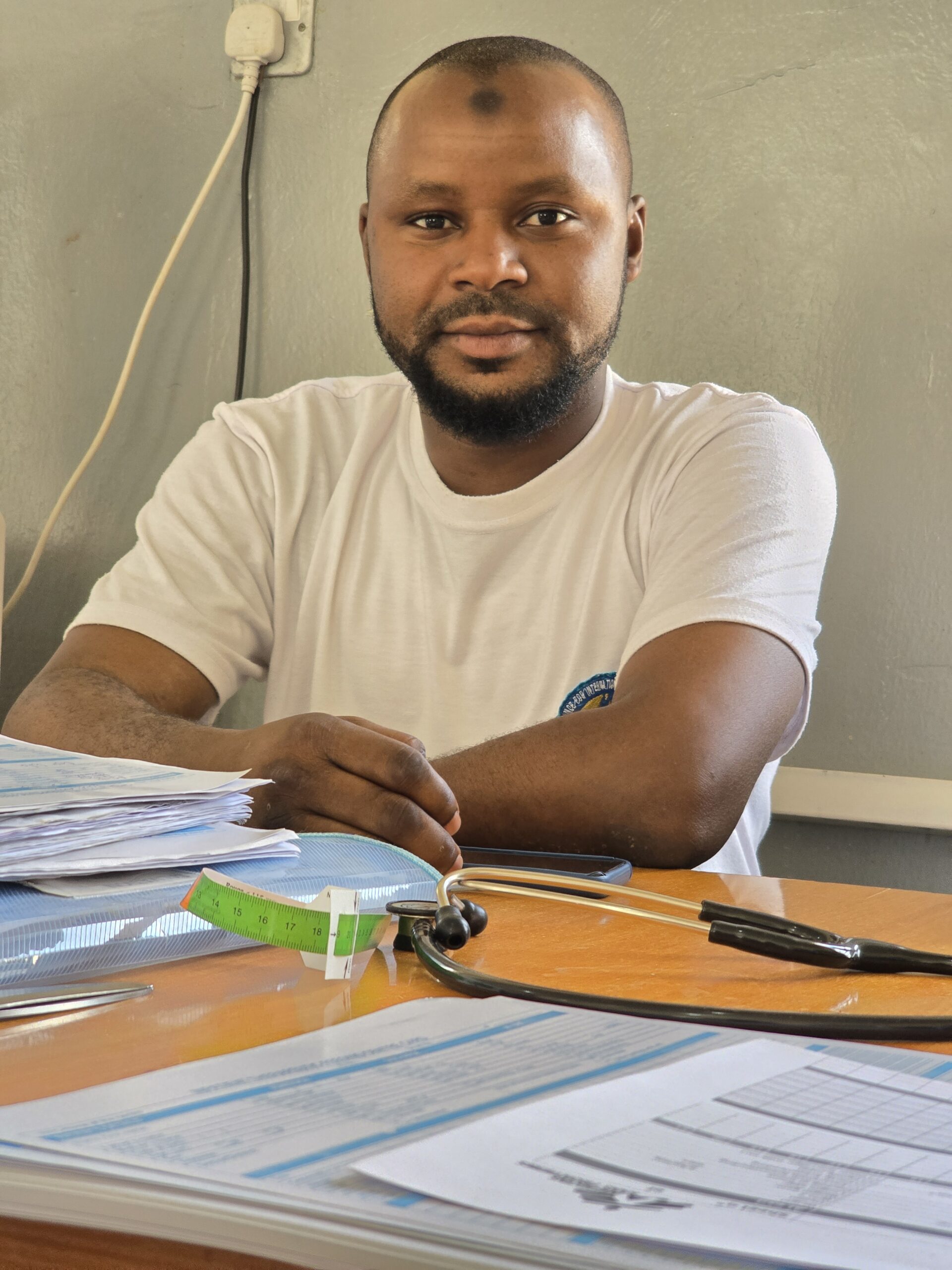
Sama’ila Muhuddin is a dedicated Registered Nurse and humanitarian professional with over seven years of frontline experience. Since May 2018, he has served with prominent international non-governmental organizations, including Médecins Sans Frontières (MSF) Holland, Spain, France projects and ALIMA, responding to emergencies and providing critical care in some of the most challenging humanitarian settings.